The 5 Principles of Good Sleep Health

Professor Colin Espie, University of Oxford
“I have spent the past 45 years emphasising that sleep is fundamental to our health and everyday function. Yet as a society most of us still don’t get full benefit from our sleep, and many people really struggle with insomnia. People often ask me, ‘what are the key ingredients of good sleep?” So, here is my answer. I have distilled the ‘secret’ of good sleep down to 5 principles. Following these principles will unlock the benefits of your sleep and give you better days as well as better nights. There’s some work involved, but you are worth it. Remember sleep is nothing less that nature’s medicine”
Sacha Baron Cohen
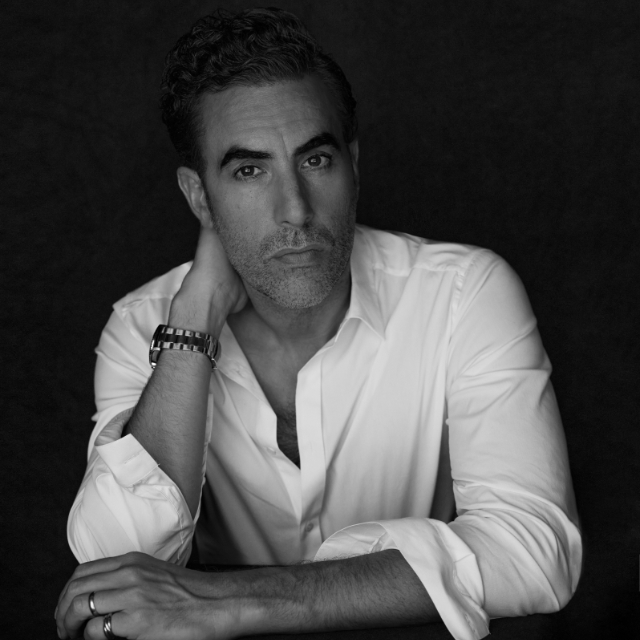
“I was delighted to work with Professor Espie on this project, because sleep truly matters—perhaps more than we realise. I know what it feels like to be short on sleep, and I know the difference when I’m well rested. Placing good sleep at the heart of our lives is vital for everyone, at every stage of life”
Colin Espie is Professor of Sleep Medicine, in the Nuffield Department of Clinical Neurosciences at the University of Oxford. He leads the ‘Better Sleep’ theme in the National Institute for Health and Care Research Oxford Health Biomedical Research Centre. He is a world-leading authority on sleep and sleep disorders and has published over 350 research papers and numerous books on the subject.
His 5 Principles of Good Sleep Health – valuing, prioritising, personalising, protecting and trusting sleep – are designed to educate and support you in managing your sleep effectively. The aim is to help provide a first-line intervention for those with poor sleep.
Sleep is not down-time or off-time. Rather the brain is highly productive at night – cleansing, repairing, and restoring us physically, cognitively, and emotionally. Sleep is certainly something to value and prioritise.
However, to be our best selves we must discover our own sleep shape and size. We don’t have the same size feet – so we discover our shoe-size by trying out. In the same way, sleep needs differ from person to person. Experimenting to find the pattern that suits you results in a sleep that is truly worth protecting from the many sleep thieves.
The animation video also emphasises trusting sleep. Good sleepers aren’t good at sleeping. No one is, or ever can be. Do you know how you manage to see, to speak, to walk, to breathe? You are not good at any of these things – you just trust the process. If you are struggling to sleep, re-learning trust in falling asleep is the key that unlocks nature’s medicine.

First principle: Value your sleep
When we strip things down to life’s essentials, we discover that sleep gives us the capability to live our best lives. We need oxygen to breathe, water to drink, and food for nourishment, … but we need sleep so we can function.
Sleep is critical for the renewal and repair of our body’s tissues, our metabolism, our ability to fight infection, our learning skills and memory, and our ability to regulate our emotions. Wow, what a list!
The quality of our alertness, energy, productivity and mood are all heavily dependent upon sleep. If clean drinking water and a good food supply are crucial to life, so is having enough good quality sleep. So please don’t cut corners where sleep is concerned. Insufficient sleep can be damaging to our health, and that shouldn’t come as any surprise. The same would be true if we were malnourished, wouldn’t it?
However, sleeping is actually a bit more like breathing, because you can’t sleep deliberately. You don’t decide to breathe, and you can’t hold your breath – well not for long! Likewise, you can’t switch sleep on. You can only ‘set the scene’ for sleep, with the right attitudes and regular routines, and this gives sleep the best chance of happening naturally and automatically.
The first principle of establishing healthy sleep then is that you need to take sleep seriously. You should value sleep as highly as a fresh water supply, good food and the air that you breathe.

Second principle: Prioritise your sleep
This follows from a mind-set that takes sleep seriously. You should prioritise getting your sleep. Not just warm thoughts and good intentions but decisions to put sleep high on your choice list.
This will sometimes mean letting go of things. Who likes to admit they’re tired, stifle a yawn, or leave the party or the online chatroom early? You might feel you’re letting people down by prioritising turning in for the night. However, like everything it gets easier with practice!
We have already become more familiar with managing pressure when it comes to making choices. For example, expressing our personal dietary needs is becoming a bit easier than it was in the past. There can be respect rather than negative comment about being true to our values. Remember the purpose of sleep is to deliver health, wellbeing and ability to function during the day. A well slept, well rested you is going to be better for everyone.
Of course, I understand you can’t always choose to sleep. You could be working shifts, you might have a new baby at home, or you might struggle with insomnia. I hear you. On the other hand, if it’s hard to choose how and when to sleep, I’m sure you’ll agree with the need to prioritise sleep when you do get the opportunities to do so.
So, the second principle is about making commitments and setting behavioural goals to create the necessary space for sleep in your life whenever you can.
Third principle: Personalise your sleep
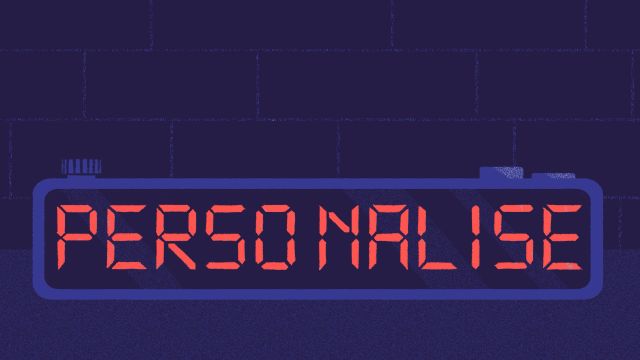
The most common question I get asked is how much sleep do I need? This principle is about understanding your personalised sleep requirement, I say personal because we’re not all the same. Our physical characteristics, appetites and preferences differ.
How do you know your shoe size? Is there a national recommendation? Of course, there are averages, but we don’t have the same size feet! You try different shoes until you find the one that fits. Personalising sleep is the same; it’s about discovering how long you need to be in bed to get enough sleep. You should experiment to find your best ‘sleep window’.
Experiment with being in bed for a bit longer than you are used to, does this lead to you getting a bit more sleep? Or try being in bed for a shorter period, to see if it strengthens your sleep drive and helps you sleep right through.
Also consider your ‘chronotype’ to find the best time for you to go to bed and to get up. ‘Night owls’ begin to feel sleepy later in the evening and feel sleepy later into the morning. ‘Morning larks’ are the opposite, feeling sleepy earlier in the evening and waking up early. You might be neither, but my point is to know your sleep type.
Try to personalise your sleep by getting the amount of sleep that you require, and at the time you require it. If you do this your sleep quality will also begin to improve.
Fourth principle: Trust your sleep
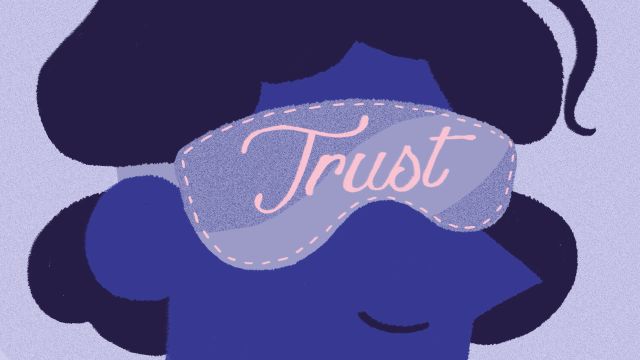
The next thing is to trust your sleep , and that it can get itself into a good pattern. Remember, sleep is a natural process the whole animal kingdom relies upon. Once you get your pattern and timing right, let your personal sleep needs and sleep pattern drive you, rather than you trying to drive them.
There are challenges to setting up and sticking to a regular schedule, but my point is to trust your sleep biology to help you get sleep into the best possible shape. It helps if you can use the same pattern and timing during the weekend as on weekdays.
Let me let you into a secret – good sleepers aren’t “good at sleeping”. They are not doing anything except trusting and expecting sleep to come spontaneously. In fact, they don’t think about it.
Trusting sleep involves resisting the temptation to grab at solutions, as if you’re balancing on a tightrope. Don’t become desperate and overthink the whole thing. If you can’t sleep just get up for a while, accept that, and go back to bed when you feel sleepy again.
You can still experiment until you get the shape and timing of your sleep right. Be prepared to try going to bed for shorter periods of time too so that you are properly sleepy when you settle down. Getting up at the same time each morning also strengthens the sleep-wake rhythm and helps to establish a pattern you can trust.

Fifth principle: Protect your sleep
To shield yourself from things that upset sleep, here is some ‘light armour’, but you should seek professional help if you need treatment. Cognitive behavioural therapy for insomnia (CBT-I) is best practice.
Sleep thrives on pattern. Protect your sleep from too many changes. Experiment to get it right, but don’t overanalyse things. Devices and gadgets are a mixed blessing. Don’t get caught up in the data.
The racing mind is the fiercest enemy of sleep. Put the day to rest before going to bed by thinking through the day past and planning for tomorrow, wind down from mid-evening on, and be kind to yourself if you struggle to sleep.
Don’t force sleep. If you don’t fall asleep it’s ok to do something else for a while, then ‘‘reboot’. Sleepiness will come calling again. Use that sleepiness as your cue to falling asleep naturally. This builds confidence in the power of sleep.
Consider sleep hygiene. Lifestyle habits, like caffeinated drinks, cigarettes and e-cigarettes, alcohol, and heavy meals and exercise near bedtime can disrupt sleep. Environmental factors can also be important. Sleep generally likes cooler and darker, and not too noisy, in a bedroom that is well-ventilated, and has a comfortable bed.
Finally, protect your sleep from tablets and smartphones. These are sources of light, but importantly, they trigger remaining alert as you search, engage in social interaction, or play games which act as a recruiting sergeant for vigilance, not sleep!
Read the full account of the 5 Principles in the Journal of Sleep Research
Watch Prof Espie on Youtube
Supported by








Why should we trust these principles?
This work is supported by the National Institute for Health and Care Research (NIHR) Oxford Health Biomedical Research Centre.



Further resources
European Sleep Research Society: 5 Principles of Good Sleep Health
Mental Health Foundation: How to sleep better
The Sleep Charity: Ending Overprescribing for Insomnia
National Sleep Foundation: Be Your Best Slept Self
NHS: Assessing your sleep condition
NHS: Managing Insomnia
University of Oxford: Take part in Sleep Research
Animation by