





For football fans, the FIFA World Cup is one of the most exciting events on the sporting calendar. But for millions of supporters around the world, following every match comes with a hidden cost: lost sleep.
A recent analysis shared on LinkedIn ranked countries by their ‘World Cup Sleep Tax’ – a measure of how disruptive the 2026 FIFA World Cup group-stage kick-off times are likely to be for fans in different countries. The data converts each match into local time and calculates how much of a typical sleep period is affected by the two-hour viewing window.
It was no surprise to us that the findings highlighted something we have long known: major sporting events can significantly impact sleep patterns, particularly when matches take place overnight or in the early hours of the morning.
Which Fans Face the Biggest Sleep Tax?
According to the analysis, supporters in countries such as Algeria, Tunisia, the Czech Republic and Scotland face some of the highest levels of sleep disruption due to inconvenient kick-off times.
Fans in these countries may find themselves watching matches at 2am, 3am, 4am or even 5am, leading to:
- Reduced total sleep time
- Fragmented sleep
- Difficulty concentrating the next day
- Increased daytime sleepiness
- Impaired mood and emotional regulation
Meanwhile, fans in countries such as Canada, Mexico, New Zealand and South Korea benefit from much more sleep-friendly viewing times.
Why Sleep Matters During Major Sporting Events
When your team is playing, it can be tempting to stay up late, wake during the night or sacrifice sleep entirely to catch every moment.
The occasional late night is unlikely to cause lasting harm. However, repeatedly cutting sleep short over several weeks can lead to what sleep researchers call “sleep debt” – this accumulates when you consistently get less sleep than your body needs.
This can affect:
Physical Health
- Immune function
- Recovery and repair processes
- Appetite regulation
- Blood pressure
Mental Wellbeing
- Mood stability
- Stress management
- Emotional resilience
- Decision-making
Performance
- Memory
- Concentration
- Reaction times
- Productivity at work or school
For many fans, the World Cup runs alongside normal life commitments, making it particularly important to protect sleep where possible.
The Psychology of Big Match Sleep
Interestingly, sleep disruption isn’t always caused by late kick-off times. Research shows that anticipation before a major event can make it harder to fall asleep, while excitement or disappointment after a match can leave people feeling wired long after the final whistle.
How to Enjoy the World Cup Without Sacrificing Your Sleep
The good news is that you don’t have to choose between supporting your team and protecting your wellbeing.
Prioritise the Matches That Matter Most
Rather than attempting to watch every game, decide in advance which matches are most important to you.
Being selective can help prevent multiple consecutive nights of disrupted sleep.
Use Strategic Naps
If you know you’ll be watching a match during the night, a short nap of 20-30 minutes earlier in the day can help reduce sleepiness without leaving you feeling groggy. Avoid long naps late in the afternoon as these can make it harder to sleep later.
Protect Your Sleep Before and After Matches
Try to maintain your usual bedtime routine on non-match days. Consistency helps your body clock stay stable and can minimise the impact of occasional late nights.
Be Careful with Caffeine
Many fans rely on coffee, energy drinks or cola to stay awake for late kick-offs. While caffeine can improve alertness, consuming it too close to bedtime can make it difficult to fall asleep afterwards.
As a guide, avoid caffeine within six hours of when you plan to sleep.
Manage Light Exposure
Bright screens signal to the brain that it is time to stay awake.
If you’re watching matches overnight:
- Reduce screen brightness where possible
- Avoid unnecessary scrolling after the game
- Dim lights once the match has finished
Don’t Try to “Catch Up” All at Once
Sleeping until midday after a late match might seem appealing, but large lie-ins can disrupt your body clock further.
Instead, return to your normal sleep schedule as soon as possible and focus on getting good quality sleep over the following nights.
Consider Watching Highlights
If a match kicks off at 3am and you have work the next morning, watching highlights later may be the healthier choice.
The result will still be there when you wake up.
Supporting Young Football Fans
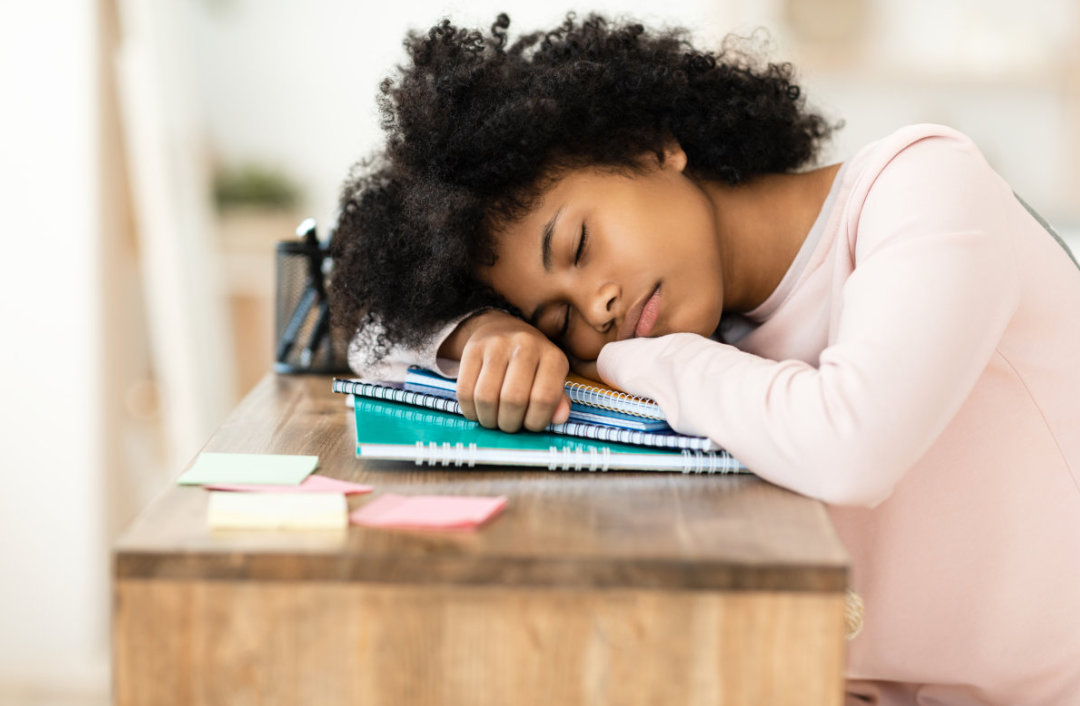
The World Cup often falls during school terms in many countries, meaning children and teenagers may also want to stay up for matches.
Parents should remember that young people need significantly more sleep than adults, and disrupted sleep can affect:
- Learning
- Attention
- Behaviour
- Emotional regulation
For younger fans, consider allowing exceptions for particularly important matches rather than making overnight viewing a regular occurrence.
The Bottom Line
The 2026 World Cup promises unforgettable moments, dramatic matches and plenty of late-night celebrations. But the “sleep tax” highlighted by this analysis serves as an important reminder that every hour of lost sleep comes at a cost.
Football is important, but so is your health.
By planning ahead, being selective about which matches you watch and protecting your sleep whenever possible, you can enjoy the tournament while minimising the impact on your wellbeing. After all, nobody wants to spend the World Cup exhausted.
Enjoy! And create those unforgettable memories.


