


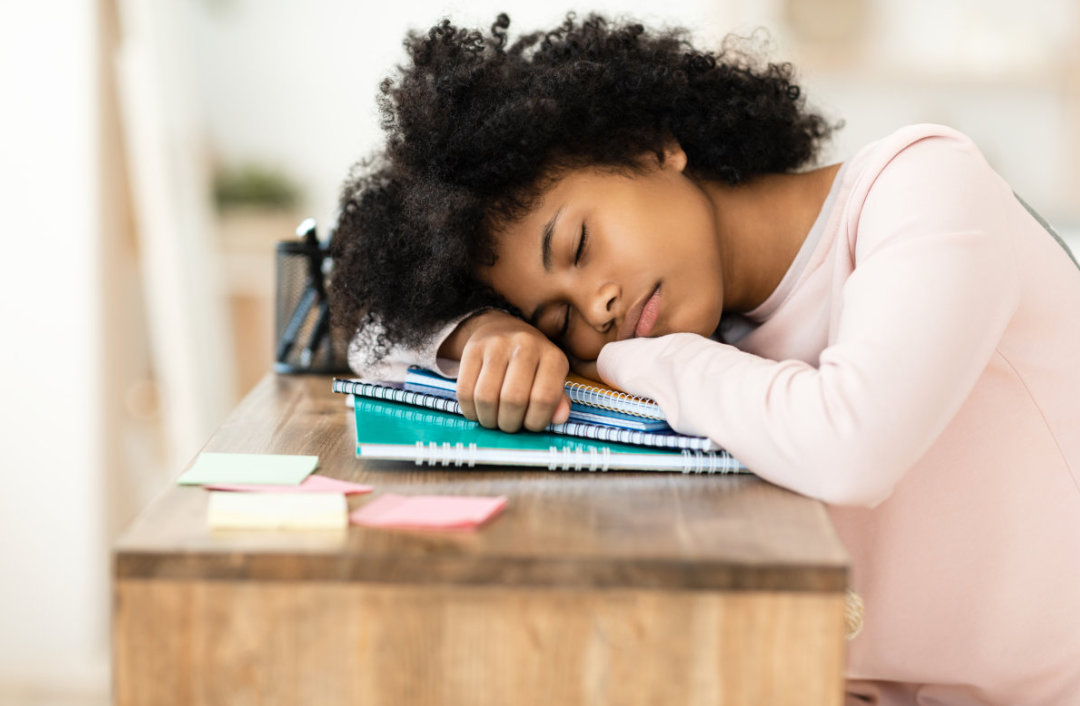






Foods that help you sleep
Achieving a great night’s sleep can be affected by what you eat in the hours before bedtime. Certain foods are known to calm the brain and help promote sleep so eating the right things in the evening is definitely part of the recipe for a good night’s kip.
We don’t recommend eating a big meal just before bedtime as it can lead to discomfort and indigestion, but some people find a small snack a helpful aid to sleep.
Research has found that certain nutrients may play an underlying role in short and long sleep duration. For longer and better quality sleep it’s important to have lycopene (found in red and orange-coloured foods), carbohydrates, vitamin C, selenium (found in nuts, meat and shellfish), and more lutein/zeaxanthin (found in green, leafy vegetables that are rich in stress reducing calcium).
The best snack is one that contains complex carbohydrates and protein to optimise tryptophan levels. Proteins help maintain a stable blood sugar level while sleeping and switch the body from alert adrenaline cycle to rest-and-digest mode, while complex carbohydrates increase the availability of tryptophan in the bloodstream. Tryptophan is the amino acid that the body uses to make sleep-inducing serotonin and melatonin, the relaxing neurotransmitters that slow down nerve traffic and stop the brain buzzing.
Foods to help sleep
Light is the most powerful cue for shifting the phase or resetting the time of the circadian clock. In an evening, the blue light that emits from devices (including TVs) suppresses the natural production of melatonin – the hormone you need to feel sleepy – and plays havoc with your body’s circadian rhythms making it harder to fall asleep and stay asleep.
Bananas
Almonds
Fish
Cereal
Milk
Sleep Sandwich!

Food to avoid before bed
Spicy
High Carb
Go easy on processed high carb (bread, pasta and rice) that cause energy crashes and fatty foods as the stimulated acid production in the stomach can lead to heartburn and indigestion. Remember that excess eating leaves you sleepy.
Dark Chocolate
You might be sabotaging your sleep with sneakier sources of caffeine, like chocolate. Dark chocolate, in particular, can pack a significant punch. If you like to nibble on a square or two for dessert, you’ll probably be fine but an entire chocolate bar (or two!) could have just as much caffeine as a fizzy drink.