


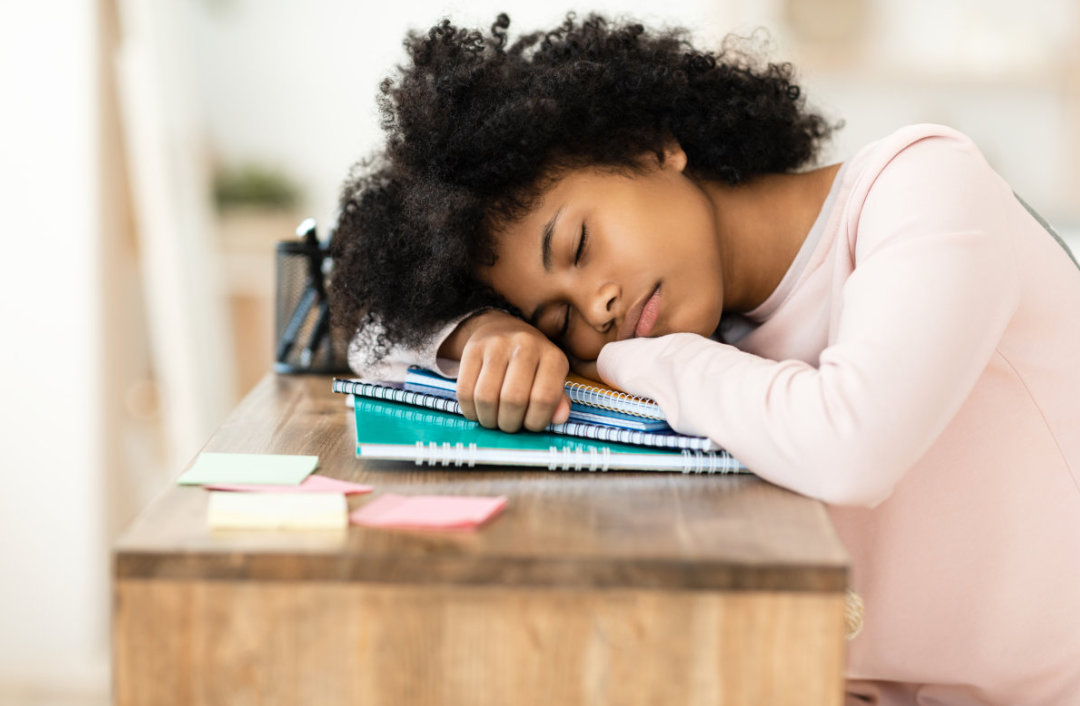






Snoozing
Alarm goes off. Snooze. Nine minutes later… snooze again. Sound familiar?
Hitting the snooze button can feel like a lovely way to grab a few more minutes in bed. But if you press it again and again, those extra minutes may not leave you feeling any more rested.
Why can snoozing make you feel groggy
When your alarm first goes off, your body starts to wake up. If you press snooze and drift back to sleep, another alarm wakes you again just a few minutes later.
This stop-start sleep can leave you feeling groggy and confused when you finally get out of bed. This feeling is called sleep inertia. It is that heavy, foggy feeling we can sometimes have just after waking.
The sleep you get between alarms is also short and broken. Rather than having 20 or 30 minutes of interrupted sleep, you may feel better if you use that time for one longer stretch of sleep.
What about deep sleep?
Deep sleep is an important part of a good night’s rest. During deep sleep, your heart rate and breathing slow down and your body gets a chance to rest and recover.
Most of our deep sleep happens earlier in the night, but waking from deeper sleep can leave us feeling particularly groggy.
Our sleep naturally moves through different stages throughout the night, so how you feel when your alarm goes off can depend on which stage of sleep you are waking from.
What to do instead
If you regularly snooze for 20 or 30 minutes, try setting your alarm a little later and enjoying that time as uninterrupted sleep instead.
If you find the snooze button too tempting, put your alarm or phone somewhere you have to get out of bed to switch it off.
Once you're up, light can help tell your body that it's time to start the day. Open the curtains, switch on the lights or, if you can, step outside into natural daylight.
And if you need several alarms every morning just to get yourself out of bed, it may be worth looking at whether you are getting enough sleep in the first place.
The takeaway?
A few extra minutes in bed might feel good, but repeatedly snoozing isn't a substitute for getting the sleep your body needs. When the alarm goes off, try to get up and get your day started.