




Sleep Deprivation
Sleep deprivation simply means not getting enough sleep. This can happen now and then, or it can build up over time. Either way, missing sleep can take a real toll on how you feel and function.

In today’s busy world, it’s easy to think that sleeping less will give you more time to get things done. But the opposite is usually true. Sleep is not wasted time. While you sleep, your body repairs itself, clears out waste and helps your brain process the day.
What are the effects of sleep deprivation on health?
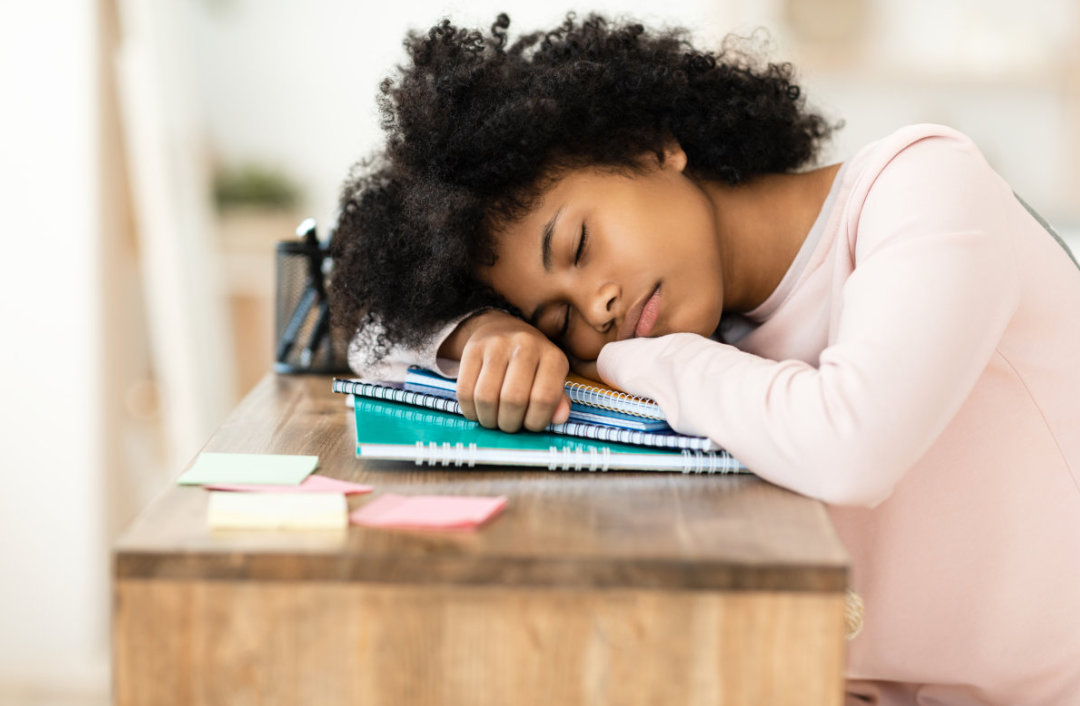
Even one poor night’s sleep can affect your mood, focus and thinking. You might feel short‑tempered, forgetful or slower to react. The good news is that an occasional bad night won’t cause lasting harm – you’ll mostly just feel tired and grumpy the next day.
The real problem comes when poor sleep becomes a habit. Long‑term sleep loss can seriously affect both mental and physical health. Sleep is the time when your heart, blood vessels, immune system and other organs rest and repair. Without enough sleep, this recovery time is cut short.
Research shows that people who regularly sleep less than six hours a night have a higher risk of heart disease and stroke. Lack of sleep can keep the body stuck in “fight or flight” mode, raising heart rate and blood pressure and increasing stress levels.
Poor sleep is also linked to conditions such as obesity and type 2 diabetes. Not sleeping enough can affect how the body handles sugar, raising the risk of insulin resistance. Ongoing sleep loss may also shorten life expectancy.
Sleep plays a key role in keeping your immune system strong. When you don’t sleep enough, your body is less able to fight off infections. Good sleep supports the release of hormones that help your immune defences work properly.

Other impacts of sleep deprivation
Being overtired can also be dangerous. Tiredness affects judgement, reaction time, memory and focus. This increases the risk of accidents, especially when driving. People who are sleep deprived may also feel more irritable or emotional.
Severe lack of sleep can cause more serious symptoms, including hallucinations and changes to sight and sound. Concentration drops, emotions become harder to control and mental health can quickly suffer. In fact, keeping someone awake for long periods has been used as a form of torture.
Broken or interrupted sleep can be just as damaging as sleeping too little. When sleep is disturbed, the body may not reach the deep stages of sleep it needs to fully recover. As a result, you can feel as exhausted as if you’d only slept a few hours.
Good quality sleep isn’t a luxury – it’s essential for health, safety and wellbeing.